A marble lobby. Designer furniture. A Michelin-starred restaurant. Egyptian cotton sheets. A spa menu that runs for pages.
On paper, it sounds luxurious.
But what happens if the guest waits too long to check in? If nobody remembers their name? If the technology is frustrating, the service feels scripted or “sustainability” is used as an excuse to quietly remove expected comforts?
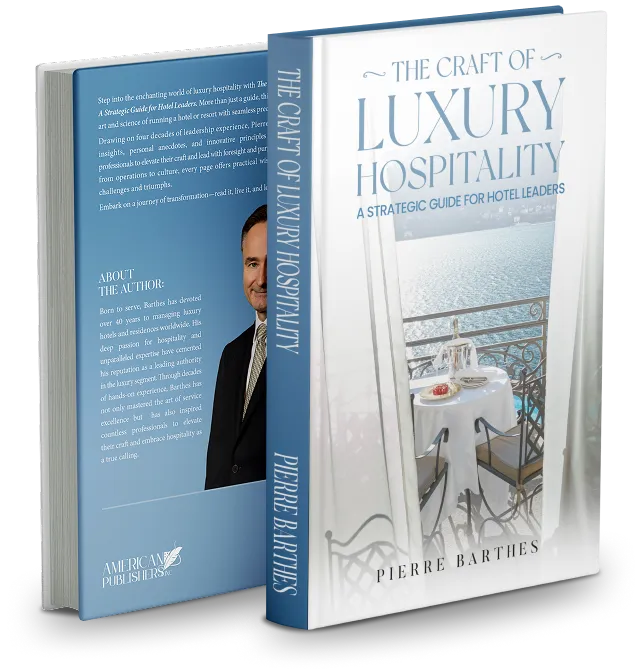
That is the uncomfortable question Pierre Barthes raises throughout The Craft of Luxury Hospitality: A Strategic Guide for Hotel Leaders: is your hotel truly luxurious or does it simply look expensive?
Luxury Is More Than Hardware
Barthes argues that modern luxury is no longer defined by opulence alone. Beautiful design, premium materials and exceptional amenities still matter, but they are only part of the experience.
What guests remember most is how the hotel made them feel.
That means luxury depends on personalization, emotional connection, thoughtful service and the ability to anticipate needs. A lavish room can impress, but if the experience feels anonymous or inconvenient, the illusion of luxury quickly disappears.
The real test is not how much was spent on the property. It is whether the guest feels recognized, understood and genuinely cared for.
The Small Failures Matter Most
Some of the most revealing examples in Barthes’ book come from what he describes as failures of luxury execution.
A cookie-cutter experience with nothing uniquely curated for the guest. A sterile airport transfer that feels disconnected from the hotel. A crowded lobby that destroys any sense of calm or exclusivity. A so-called wellness offering that is little more than a few treatments and a sauna.
Then there is technology.
Barthes warns against check-in experiences that feel more like dealing with an automated bureaucracy than arriving somewhere special. Technology should make hospitality smoother, not colder. When apps, kiosks and digital systems remove the human welcome entirely, efficiency can come at the cost of emotional connection.
Sustainability Cannot Become Cost-Cutting in Disguise
Another sharp observation concerns sustainability.
Responsible hospitality is increasingly important, but Barthes cautions against using environmental language to justify reduced service. Asking guests to reuse towels is one thing. Eliminating expected luxury touches while maintaining premium pricing is another.
Eco-conscious luxury should enhance the guest experience, not diminish it. If sustainability begins to feel like a convenient excuse for cutting costs, trust disappears.
That distinction is especially important as younger travelers demand both responsible practices and meaningful experiences.
Five Stars Are a Standard, Not a Guarantee
This is where Barthes’ broader philosophy becomes especially powerful.
Technical standards matter. Inspection scores matter. Brand consistency matters.
But none of them automatically creates emotional luxury.
A hotel can execute every procedure correctly and still feel impersonal. Barthes’ Dual Excellence approach argues that genuine luxury comes from combining operational precision with emotional intelligence—the ability to connect, empathize, adapt and make each guest feel individually valued.
That is the challenge The Craft of Luxury Hospitality presents to hotel leaders.
Do not ask only whether your property looks luxurious.
Ask whether your guests feel luxury at every touchpoint.
Because five stars may describe the hotel.
True luxury describes the experience.